Bat-Brain: Smart Microbat Monitoring
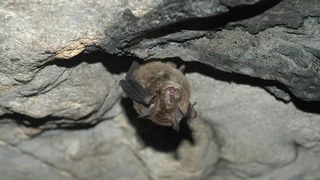
Bat-Brain is a major expansion of our What Lives Here initiative, developed in conjunction with the Rotary Club of Seaford and the EcoVineyards project led by Dr. Mary Retallack.
This project aims to bridge the gap between traditional conservation and modern technology by creating a “smart” nesting environment for microbats—Australia’s natural insect controllers. By deploying low-power, long-range sensors, we can monitor the health and activity of microbat populations in real-time, helping vineyard managers and ecologists make data-driven decisions.
The project
Microbats play a critical role in the vineyard ecosystem, acting as “natural insecticides” by consuming thousands of insects every night. However, traditional monitoring of nesting boxes is labour-intensive and often intrusive.
Bat-Brain solves this by providing:
- Nestbox Occupancy Monitoring: Detecting when bats enter or exit their boxes without disturbing them.
- Environmental Data: Tracking temperature and humidity within the boxes to understand optimal roosting conditions.
- Acoustic Detection (Stretch Goal): Using ML-powered acoustic sensors and open-source bioacoustic frameworks to identify specific bat species by their echolocation calls.
The tech
Building on GDF’s expertise in LoRaWAN and open-source hardware, the Bat-Brain sensor package includes:
- Low-power MCU: The heart of the system, capable of processing sensor data and transmitting over LoRaWAN while running for extended periods on a small battery.
- IR Beam Break Sensors: To reliably detect movement at the box entrance.
- Environmental Sensors: For precision monitoring of temperature, humidity, and atmospheric pressure within the nestbox.
- LoRaWAN Connectivity: Ensuring data can be transmitted over several kilometres to a LoRaWAN Network Server (LNS)—perfect for large vineyard landscapes—without the need for costly mobile contracts.
All hardware designs, firmware, and documentation are released under open-source licences, ensuring that other community groups, schools, and researchers can build upon our work.
Our Partners
- Rotary Club of Seaford: Providing local coordination and expertise in the manufacture and deployment of microbat boxes.
- EcoVineyards: Led by Dr. Mary Retallack, this national program focuses on enhancing functional biodiversity in Australian vineyards.
- Growing Data Foundation: Technical lead for sensor development, data infrastructure, and open-source advocacy.
About
Bat-Brain is more than just a sensor project; it’s a demonstration of how community technology can support ecological resilience. By working “with nature, not against it,” we are helping to create a more sustainable and biodiverse future for Australia’s wine regions.